Seeing the Forest and a few New Trees
Curiosity in action and ideas that might have nothing to do with anything
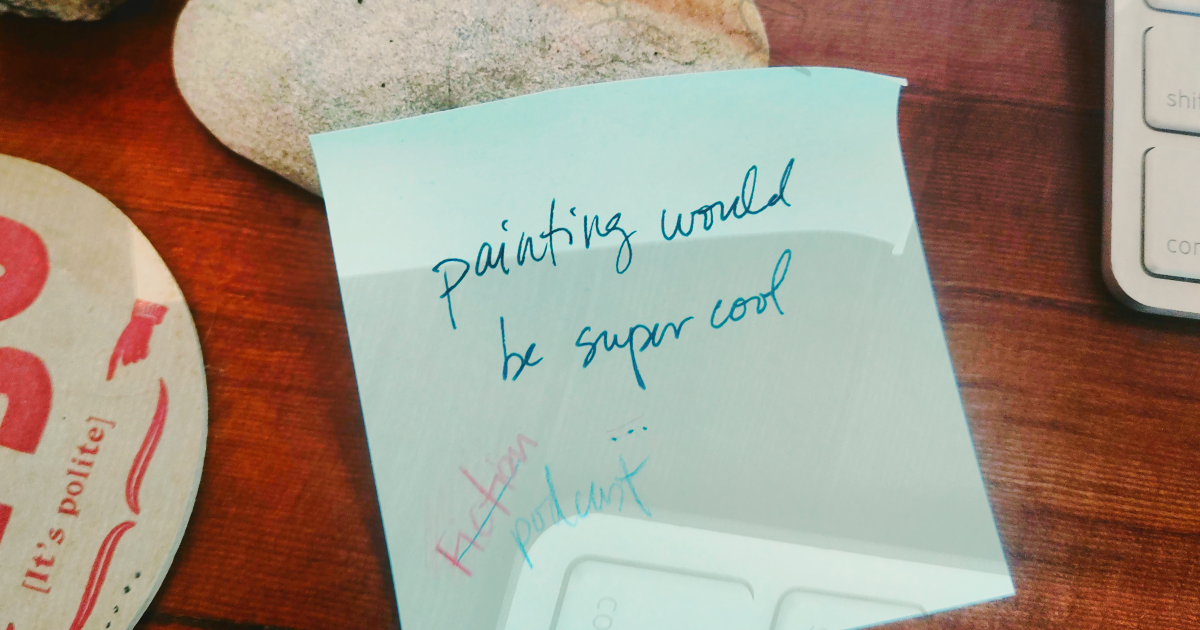
Seeing curiosity in action is one of the benefits of being an educator. There’s a moment, usually as part of a critique or a conversation, when eyes open a little brighter. A thoughtful, even mischievous, grin appears. Pencils and keyboards move along a little faster. This is something I might see in students, but not necessarily in myself; I get caught up in all the daily things (you know) and curiosity gets lost in the shuffle.
Research itself is curiosity in action. There are those moments — small sparks of inspiration that flicker unexpectedly, like fireflies. These grow into bigger thoughts and notes and sketches. Then, work its way to conversations and dabbling in images or texts or other observations. Suddenly, it emerges as motivation and even more action. This is the essence of curiosity in action — discovery fueled by the unexpected, and driven by the relentless pursuit of knowledge.
All too often, time and curiosity slip away amidst the endless stream of emails, assignments to grade, and meetings that rarely ignite the flames of curiosity.
Recently, as I was recovering from COVID (that miserable houseguest that shows up uninvited and overstays its welcome…) I participated in a live creative planning group session hosted by Helen Redfern. It was a truly enjoyable experience.
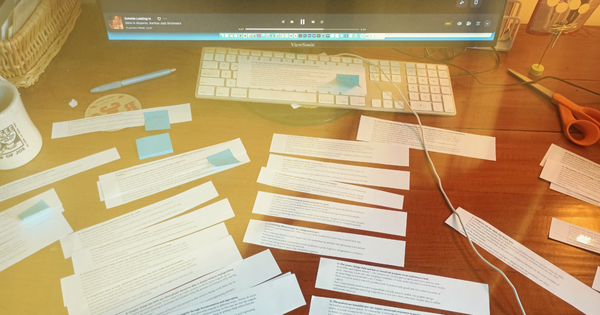
In the session, Helen invited us to look at the bigger picture of prioritizing projects and eventually mapping them into realistic goals. It was an excellent exercise in looking at everything I’d like to write/create and determining which ones to do now. Maybe it was my post-COVID daze, or maybe the clouds really did part for the streams of sunlight to pour in, but knowing exactly what to tackle has made a difference. More calm, less clutter.
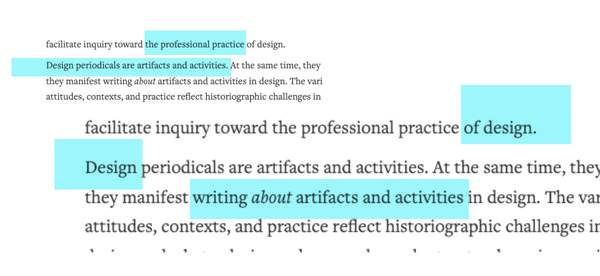
On the bright side, it affirmed that my current research projects are the things I truly do want to prioritize. During the session I couldn't help but highlight the “do them now” projects in bold, vibrant yellow on my chaotic planning sheets. Still, though, I wrote down other ideas that have been on my mind but have little to do with my current projects. Curiosity sparked. There was a whole bigger picture emerging but… reality nudged me back, reminding me that time is finite, and there are only so many hours in a day. I can’t pour any more coffee into myself. Or could I?
In that space that fluctuates between curiosity and responsibility, where do we draw the line?
I labeled these other ideas on my pages so I don’t lose track of them. These include an sci-fi audio podcast (already started and it waits for another decade year *sigh*…); writing a room (project on hold); an Arctic-themed graphic narrative (sketched it two decades ago); and so forth. Honestly, I’d forgotten about these things. Into which canyon of my brain have they been residing?!
Well, they got lost, as ideas can do.
These other, not-so-new ideas really have nothing to do with anything I’m doing today... Or do they?
If you believe that the things that make up our creative agendas are all connected, as I tend to, these other ideas will eventually take shape — somehow, in some way — within the next few years as extensions of current projects. There’s a forest with a few trees that take a little longer to grow.
That is a mindset I adopted in my early years as a tenure-track faculty member and this has served me well. I forget to trust the passage of time (ideas get better as they age?). It’s easy to succumb to the urgency of starting everything at once and to be gratified by immediate results. Flexibility is once again an ally. Finding those connections, and see the whole forest as well as the individual trees, helps to build a body of work that has common threads but, fortunately, invites change (and growth) as well.
Thanks for reading all the way to the end.
This post is public, feel free to share it with someone else.