Unexpected Intrigue and Peer Review
When an imperfect process leads to genuine enthusiasm
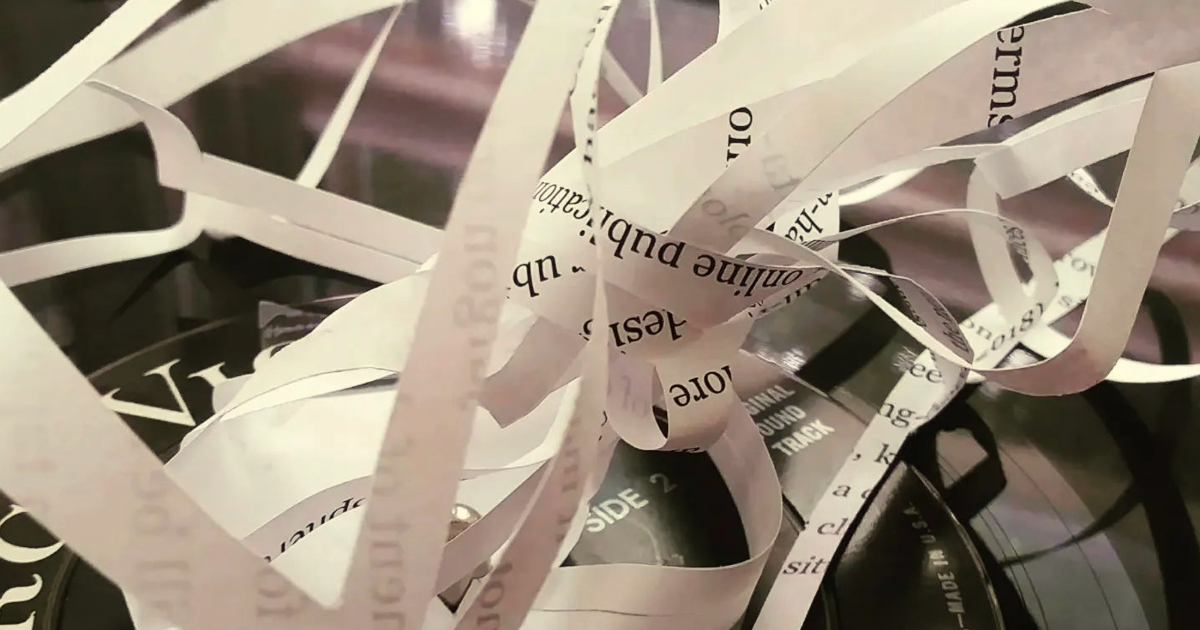
How often do you ‘meet’ someone through their work alone, without learning their name, and find out they’re working somewhere along that shared thread of like-minded ideas?
I do peer reviews for academic journals on a fairly regular basis. Often, I don’t take a personal interest in the work — it’s a professional service role (unpaid) and there’s anonymity involved. I’ve worn the other hats, too: as the person requesting reviews, and as the author whose work is under scrutiny.
In case you’re not familiar with academic peer review: it’s an assessment of one’s scholarly work by experts in the same field or discipline (“peers”) for purposes of publication. Through peer review, the work is evaluated in terms of things like originality, quality, and significance. It’s an imperfect process but also an integral part of scholarly publishing culture. If you’d like to learn more, here’s a white paper (open access) that I co-authored about peer review. So, now you know!
Recently, I was asked to review yet another journal article manuscript. After letting the editor know “yes, I can do this” even though I have zero time available I looked over the article and it caught me off guard. As I read through it, I had an unexpected emotional reaction, and I avoided procrastinated writing the review. The manuscript was shorter than usual, boldly phrased, and formally fearless.
It was not without faults (all writing is never finished) — but it was impressive in its goals and objectives. I realized this author had the guts to write provocatively about a thing that loosely connected with something I’d also thought about, and I never had the fortitude (or brain space) to pursue it. Their approach was one that I hadn’t thought of, either, and unlike anything I’d write. I wasn’t jealous, I was…. truly intrigued.
The journal’s deadline allowed me more procrastination some time to roll it around in my mind. Eventually, I submitted a favorable review of the manuscript. And for the first time, I wrote the review in such a way it felt like I was in conversation with the author.
Does this happen often with peer review? I’ve no idea. I think it’s expected to happen in that idealized “we’re all in conversation about all the research all the time” kind of way.
But in reality? Nope, not for me.
In reality, the author will read my review through an objective report they receive from the editor. They’ll read my constructive criticism and positive remarks. They won’t know how their work affected me. I’d like to write “wow, your approach to this really kicked ass, and curious what inspired you, and why you did this and that, blah blah blah…” and watch the editor roll their eyes with some level of amusement.
I want to meet the person who wrote what I couldn’t write and didn’t write. I want their article to be published.
That might happen, one day. Maybe. I don’t know the author’s name; double-blind peer review means that the names of the reviewer and author are unknown to each other. Most articles have three peer reviewers, so my evaluation is just one perspective. For all I know, another reviewer might have really despised the manuscript (it was, I repeat, quite bold). I can check the journal over the next few months and see if appears in the table of contents.
We may never stir up conversation over a coffee (and pastry), so for now it’s enough to just know they are out there doing the good work, too.
Thanks for reading, as always.